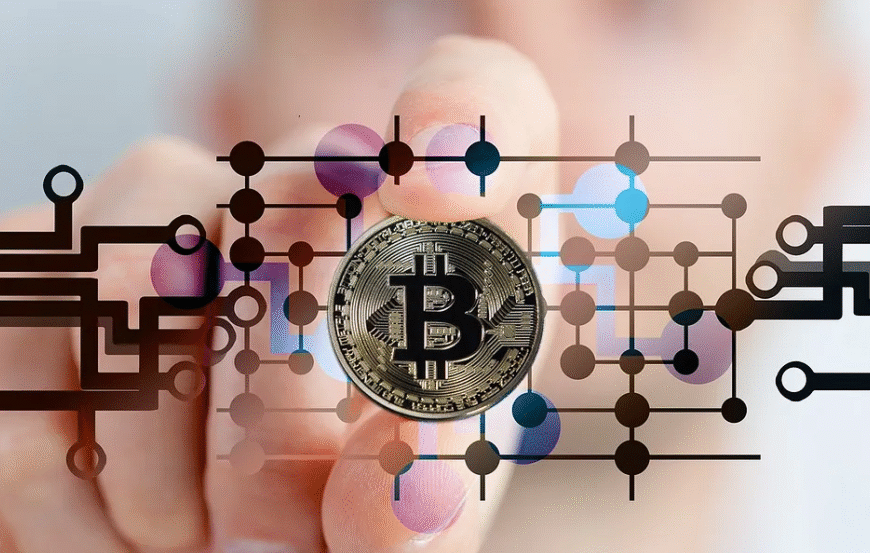
Blockchain technology is often synonymous with cryptocurrencies, yet its applications extend far beyond this realm. Various industries are beginning to harness its potential to enhance efficiency and accountability. For instance, in supply chain management, it promises improved traceability and trust. Meanwhile, healthcare is exploring ways to dismantle data silos. As these advancements unfold, one must consider how they might reshape traditional systems and what implications this will have for future innovations.
Transforming Supply Chain Management
Blockchain technology is revolutionizing supply chain management by enhancing transparency and traceability throughout the logistics process.
By implementing smart contracts, stakeholders can automate transactions, ensuring compliance and reducing disputes.
Furthermore, traceability solutions enabled by blockchain provide real-time data access, empowering consumers and businesses alike.
This innovative approach fosters trust, efficiency, and accountability in supply chains, ultimately promoting a more liberated marketplace.
See also: donnacazzo69
Revolutionizing Healthcare Data
As healthcare systems grapple with data silos and interoperability challenges, the potential of blockchain technology to streamline and secure patient information emerges as a pivotal solution.
By enabling decentralized storage and immutable records, blockchain can enhance data interoperability while ensuring patient consent is paramount.
This innovative approach could empower patients, giving them greater control over their health data and facilitating seamless information exchange among providers.
Enhancing Voting Systems
The challenges of securing and managing sensitive data in healthcare highlight broader concerns about data integrity and trust in various sectors, including voting systems.
Implementing blockchain technology could enhance voting through decentralized verification, ensuring that each vote is independently validated.
Additionally, transparent auditing processes may increase public confidence, fostering a more democratic environment by allowing stakeholders to scrutinize the electoral process without compromising security.
Securing Intellectual Property Rights
Numerous industries grapple with the complexities of protecting intellectual property rights in an increasingly digital landscape.
Blockchain technology offers innovative solutions such as patent verification and copyright tracking, enhancing the security and transparency of intellectual property management.
Conclusion
In conclusion, blockchain’s impact stretches far beyond cryptocurrency, fundamentally transforming various sectors. For instance, a recent study indicates that implementing blockchain in supply chains can reduce operational costs by up to 30%, illustrating its potential for efficiency and transparency. As organizations increasingly adopt this technology, the benefits of enhanced traceability, patient empowerment in healthcare, secure voting, and fortified intellectual property rights suggest a future where blockchain could redefine the landscape of numerous industries, fostering innovation and trust.